Ransomware Attacks

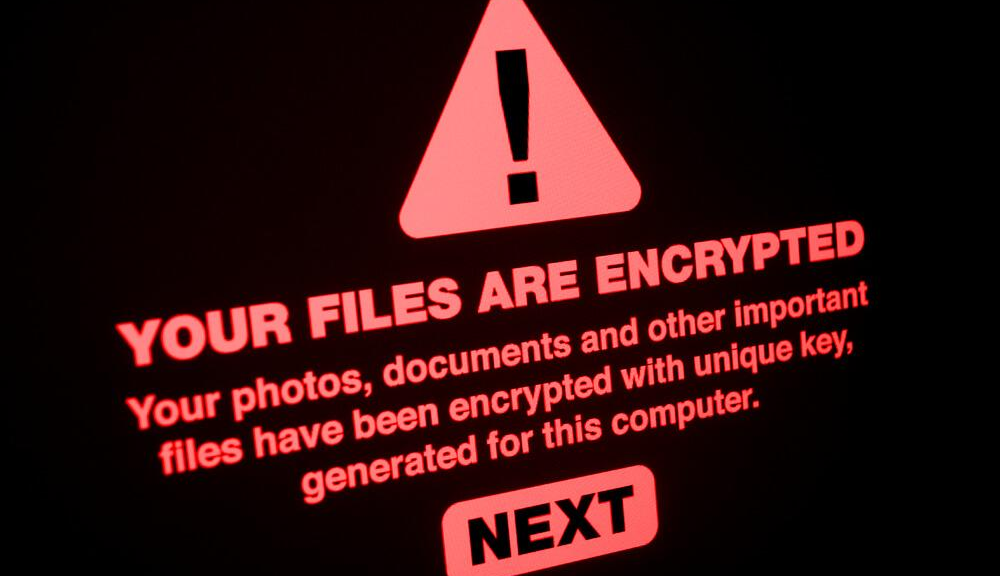
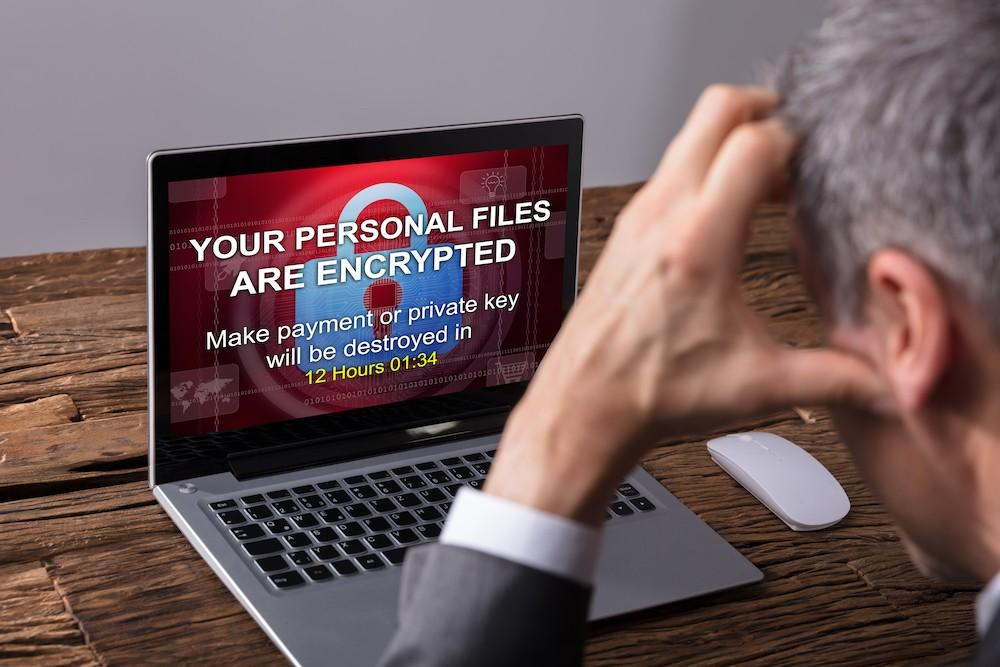
Ransomware is malware (malicious software) that utilizes encryption to hold a victim’s data ransom. Important data is encrypted to block the owner’s access to files, databases, or software. To gain access, a ransom is then demanded. The most dangerous aspect of ransomware is how rapidly it can spread across a network and affect all of an organization’s databases and servers.

Cybercriminals make billions of dollars from ransomware, and businesses and governments pay a high cost in ransom, expenses and lost data.

Recent Ransomware Attacks

Companies like the Colonial Pipeline, Steamship Authority of Massachusetts, JBS (the world’s largest meatpacker), and the Metropolitan Police Department of Washington, DC were attacked in 2021. The ransom payments to the hackers caused the shutdown of critical infrastructure and subsequent deficiencies, enhanced costs of goods/services, the shutdown of operations and financial losses.

Attacks on the healthcare sector

In 2020, ransomware attacks cost the economy $20 billion in impacted revenue, lawsuits, and ransom paid, according to a new report. A total of 92 ransomware attacks hit more than 600 healthcare facilities in 2020.

Colonial Pipeline Attack

In April 2021, due to the pipeline’s critical role in the national infrastructure system, this attack had a significant impact on the US. Major disruption in gas supplies caused an uproar on America’s east coast after system failures halted the flow of gas.

Brenntag Attack  

Brenntag,  a chemical marketing firm, was targeted by DarkSide in May 2021. The hackers stole 150GB of data, for which Brenntag paid $4.4 million (of the $7.5 million demanded).

Quanta Attack

In April 2021, the REvil gang demanded a $50 million ransom from computer manufacturer Quanta. Apple product blueprints obtained from Quanta were leaked, and the hackers threatened to expose more sensitive information and files.

Acer Attack

The REvil hacker group, which also targeted Travelex, a London-based foreign exchange firm, attacked Acer in May 2021. To date, the $50 million ransom is the largest ever recorded.

CNA Attack

A ransomware attack on a large insurance firm occurred in March 2021. The hacker group targeted CNA’s network, encrypting 15,000 devices, many of which belonged to remote workers.

Rockets Attack

In April 2021, the hacker group Babuk was alleged to have compromised 500GB of private documents about the Houston Rockets from the National Basketball Association (NBA).

AXA Attack.

The Avaddon gang struck European insurance company AXA in May, shortly after major alterations to their insurance policy were made public.

How to Avoid Ransomware Attacks

Be prepared to lessen the chances of an attack. Ensure you have anti-ransomware software installed on all of your computers. If a link is not safe, do not click on it.

As a result of malicious websites, software downloads, and spam mail, ransomware infections can spread. To avoid phishing, do not give out personal information. Never open an attachment from an unknown email. Keep your software and operating system current.

Not only should you avoid downloading files from untrusted sources, but avoid using USB drives. When using public WiFi networks, be cautious. Use only a VPN.
What to Do When You Are Attacked?

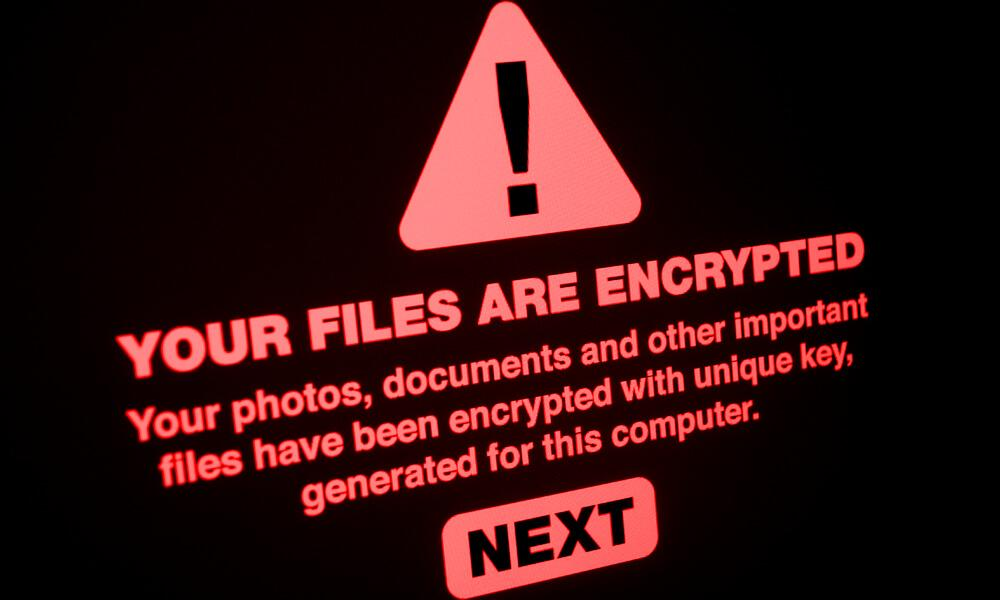
To begin, never pay a ransom to decrypt your files when you have no way to be sure you’ll get them back. Your Wi-Fi should be turned off and the network disconnected.  Investigate the attack online using a different device to find out the type of ransomware and any other info displayed on your screen. Take a picture as a record. Consult an expert about your system and notify the appropriate authorities about the attack. And to protect others from the attack, please report it to Bitcoin Who’s Who here: Report Bitcoin Ransomware

Bitcoin Scams are the World’s Other Continuing Pandemic

2020 BitcoinWhosWho.com Scam Report Origins

Based on the origins of Scam Reports received by BitcoinWhosWho.com in 2020, bitcoin scams are the world’s other continuing pandemic.

BitcoinWhosWho received Scam Reports from 149 countries in 2020. 25 countries originated at least 100 reports.

Continue reading Bitcoin Scams are the World’s Other Continuing Pandemic →

The Most Frequently Reported Bitcoin Scams Of 2020

The Top 25 Most Frequently Reported Bitcoin Scam Addresses to BitcoinWhosWho.com in 2020* received 9.5994793 total BTC.

Every single address is associated with the “sextortion” email scam first reported here in March 2018. There are many variations of the scam, but basically claims to have webcam footage of the email recipient visiting adult websites and demands payment in bitcoin or else the video will be sent to their contacts.

The average amount scammed was .092 BTC.

Top 25 Most Frequently Reported Bitcoin Scam Addresses of 2020

Continue reading The Most Frequently Reported Bitcoin Scams Of 2020 →

Multi-Million Dollar Canadian Bitcoin Scam Using Binance

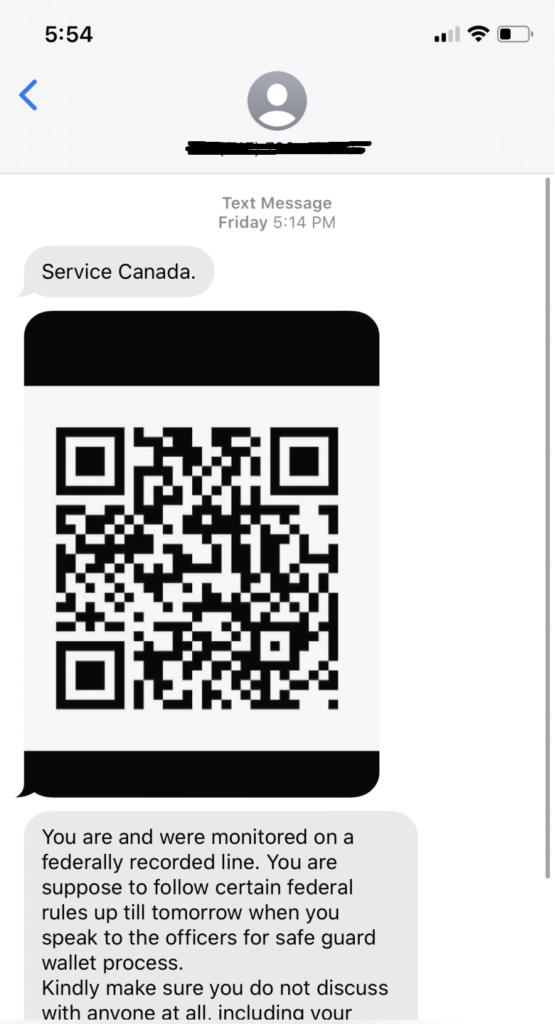
Scammer will provide a QR code and the location of the closest bitcoin ATM.

If you have been caught up in this scam, you have a better than average chance of recovering funds.

The first “CRA scam” was reported to BitcoinWhosWho.com in August 2018. Since then, there have been dozens of reports of this particular tactic and it continues to fool a lot of people.

The most frequently reported CRA scam, aka “SIN scam”, bitcoin address has received 567BTC (as of Sept 9), worth almost CAD$8M.

Based on input transactions to this address alone, it appears to be scamming 2 or 3 people a day out of ~.33 BTC a pop.

The fraud starts with a caller ID spoofing Service Canada, Canada Revenue Agency (CRA), Royal Canadian Mounted Police (RCMP) or even sometimes reportedly the FBI. The caller claims there was fraudulent use of your Social Insurance Number (SIN) and only by visiting the closest crypto ATM and depositing BTC into their wallet (which they will conveniently text you a QR code for!) will they be able to “assist”. Don’t fall for it!

Continue reading Multi-Million Dollar Canadian Bitcoin Scam Using Binance →

The RISE OF Elon MUSK BITCOIN SCAMS

The first “Elon Musk/Tesla” #Bitcoin scam reported to BitcoinWhosWho.com in June 2018 involved a hijacked high-profile verified Twitter account pretending to giveaway our beloved valuable crypto asset. Since then, the volume of Elon Musk (& Tesla) related bitcoin scams reported has increased dramatically, especially from Japan.

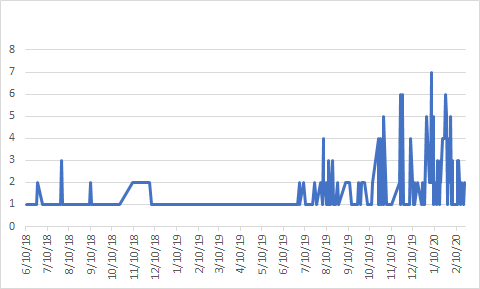
Elon Musk & Telsa Bitcoin Scam Report Volume

Almost 45% of Elon Musk/Tesla bitcoin scam reports come from Japan. 16% are unknown, 15% are US and the rest;

Continue reading The RISE OF Elon MUSK BITCOIN SCAMS →

Have You Received A Threatening Email Asking For Bitcoin?

Don’t worry! In fact, congratulations, you are popular! Pretty much everyone has received a version of this bogus email threatening to expose risqué webcam footage of their mark to contacts. Be assured it is fake, even if it contains one of your online passwords!

These are some examples of the email:

Continue reading Have You Received A Threatening Email Asking For Bitcoin? →

New CIA Child Porn Bitcoin Ransom EMAIL

The first report of a Central Intelligence Agency officer sending ransom emails demanding bitcoin in exchange for concealing evidence of child porn was received March 16. Since then dozens of similar reports have come in, each demanding $10K USD payment to a different multi-sig address. As of this posting none of the reported addresses have received ransom payments.

Continue reading New CIA Child Porn Bitcoin Ransom EMAIL →

We put the pseudo in pseudonymous